

Maryland winters can be unpredictable. One day, temperatures are mild enough for a light jacket, and the next, you’re dealing with freezing weather and icy conditions. Your heating system needs to handle these temperature swings without sacrificing comfort or driving up your energy bills.
If you’re considering a heating system replacement, you may be wondering whether a heat pump or furnace is the better investment. Both can keep your home warm, but they differ in energy efficiency, operating costs, and cold-weather performance. Understanding these differences can help you choose a system that fits your home’s needs and your budget.
What’s the Difference Between a Heat Pump and a Furnace?
The main difference between a heat pump and a furnace is how each system heats your home. A heat pump transfers heat from one location to another, while a furnace generates heat directly.
Although both systems can provide reliable winter comfort, their operating methods affect energy consumption, equipment requirements, and year-round functionality.
How a Heat Pump Works
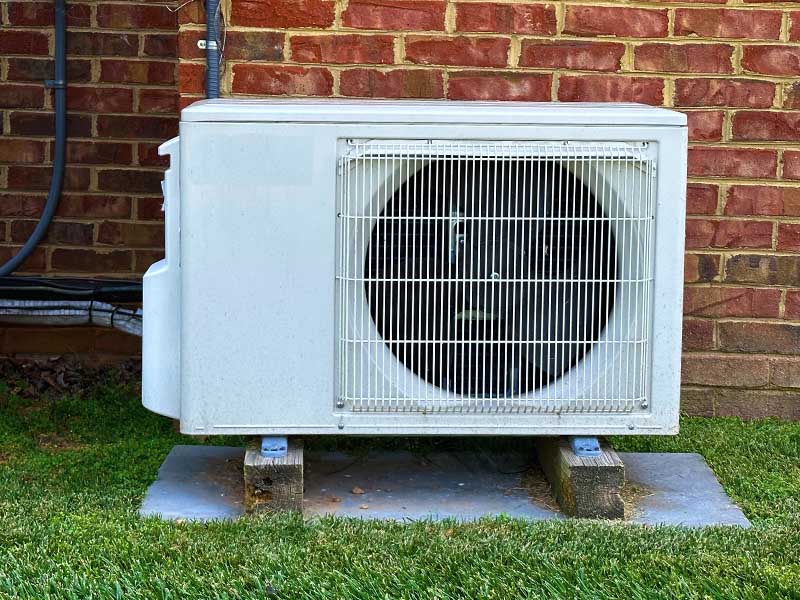
An electric heat pump extracts heat from the outdoor air and transfers it inside. Even when temperatures fall below freezing, outdoor air contains thermal energy that a heat pump can use to warm your home.
Heat pumps also provide air conditioning. During summer, the system reverses its operation, removing heat from your indoor air and releasing it outside. This makes a heat pump a year-round heating and cooling solution.
How a Furnace Works
A furnace generates heat using natural gas, propane, or electricity. Gas and propane furnaces burn fuel to warm the air, while electric furnaces use resistance heating elements. A blower then distributes the heated air through your ductwork.
Unlike a heat pump, a furnace doesn’t rely on extracting heat from outdoor air. This allows it to maintain its heating capacity during prolonged freezing conditions. However, you’ll need a separate air conditioning system for summer comfort.
Heat Pump vs. Furnace: Which Performs Better in Maryland Winters?
Maryland experiences a mix of mild winter days and occasional periods of extreme cold. In Frederick and surrounding Central Maryland communities, temperatures frequently fluctuate above and below freezing throughout the heating season.
Both systems can handle Maryland winters, but their ability to maintain heating output differs as outdoor temperatures drop.
Heat Pump Performance in Cold Weather
Heat pumps perform well during mild to moderately cold conditions. When outdoor temperatures are in the 30s and 40s, many models can provide sufficient warmth without requiring supplemental heating.
As temperatures fall, standard air-source heat pumps may produce less heat. Some systems rely on auxiliary electric heating when additional warmth is needed, particularly during extended cold spells.
Modern cold-climate heat pumps are designed to maintain substantial heating capacity at lower temperatures. ENERGY STAR-certified cold-climate models must meet specific performance requirements at 5°F, making them a practical option for many Maryland homes.
Furnace Performance During Freezing Temperatures
Furnaces maintain consistent heating output regardless of outdoor temperatures. This can be beneficial during extended cold spells when your home requires more heating.
Gas furnaces also typically deliver warmer supply air than heat pumps, which some homeowners prefer during particularly cold weather. If your home experiences significant heat loss or you prioritize reliable heating capacity during extreme temperatures, a furnace may be worth considering.
Which Heating System Is More Energy Efficient?
Energy efficiency affects how much energy your heating system consumes, but heat pumps and furnaces use different performance measurements.
Here’s how efficiency is measured for each system:
- Heat pumps: Heating Seasonal Performance Factor 2 (HSPF2) measures seasonal heating output relative to electricity consumption. Higher ratings indicate greater efficiency.
- Furnaces: Annual Fuel Utilization Efficiency (AFUE) measures how effectively fuel is converted into usable heat. A 95% AFUE furnace converts approximately 95% of its fuel’s energy into usable heat under standardized conditions.
Because heat pumps transfer heat rather than generating it through electrical resistance, they can deliver more heating energy than the electricity they consume. This gives them an efficiency advantage over conventional electric furnaces, particularly during moderate weather.
However, efficiency ratings don’t tell you exactly how much you’ll spend on heating. Your actual expenses depend on how equipment performance compares with the cost of your home’s energy source.
Comparing Heat Pump and Furnace Operating Costs
Your monthly heating bills depend on energy prices, equipment performance, insulation, and how frequently your system operates. Choosing the most cost-effective option requires looking beyond efficiency ratings to understand how each system affects your utility expenses.
When a Heat Pump Can Save You Money
Heat pumps can significantly reduce electricity consumption when replacing electric resistance heating systems, such as electric furnaces or baseboard heaters.
Because they transfer heat rather than producing it directly through resistance heating, they typically use less electricity to maintain comfortable indoor temperatures.
Savings will depend on your specific equipment and winter heating demands. If your heat pump frequently activates electric resistance backup heating, operating costs can increase.
When a Gas Furnace May Cost Less
If your home already has natural gas service, a high-efficiency gas furnace may offer competitive heating costs, depending on local utility rates.
For example, replacing an older 80% AFUE furnace with a 95% AFUE model can reduce the fuel required to provide the same heating output. However, the actual financial savings will depend on gas prices and your household’s heating needs.
Before making a decision, compare estimated annual operating costs using your current utility rates. This provides a more realistic picture of potential expenses than relying on equipment ratings alone.
Installation Costs and Long-Term Value
Upfront installation costs vary based on equipment type, system capacity, and your home’s existing HVAC setup.
If you’re replacing a furnace with a similar model, installation may require relatively few modifications. Switching to a heat pump could involve electrical upgrades, refrigerant line changes, or adjustments to your ductwork.
However, if your furnace and air conditioner are both approaching replacement, a heat pump may offer an opportunity to address heating and cooling with one system.
Equipment longevity also affects long-term value. Many furnaces last approximately 15 to 20 years, while air-source heat pumps commonly last around 10 to 15 years. Actual lifespan depends on usage, maintenance, and installation quality.
When comparing estimates, consider the total cost of installation, anticipated maintenance, and potential repairs. Available rebates may also affect your decision, although program eligibility and funding can change.
Which System Provides Better Indoor Comfort?
Your heating system should maintain consistent indoor temperatures while distributing warmth throughout your home. However, the way a heat pump delivers heat can feel noticeably different from a traditional furnace.
Furnaces typically deliver hotter air through shorter heating cycles. You may notice a strong flow of warm air when the system activates, followed by a pause once the thermostat reaches its set temperature.
Many modern heat pumps, particularly variable-speed models, operate for longer periods at lower output. This can help maintain steady indoor temperatures with fewer noticeable fluctuations.
Although heat pump supply air generally feels cooler than furnace-heated air, it can still maintain comfortable room temperatures when the system is properly designed.
If you’re experiencing cold spots or uneven heating, your equipment may not be the only issue. Poor insulation, air leaks, and ductwork problems can affect comfort regardless of which system you choose.
Is a Dual-Fuel Heating System Worth Considering?
If you want the benefits of a heat pump without giving up a gas furnace, a dual-fuel heating system may offer a practical alternative.
A dual-fuel system combines an electric heat pump with a gas furnace. During milder weather, the heat pump provides heating. When outdoor temperatures reach a designated switching point, the furnace takes over.
This setup can be particularly useful in Central Maryland, where winter temperatures fluctuate considerably. It allows you to use electric heating during moderate conditions while retaining furnace heating for colder weather.
The ideal switching temperature depends on equipment performance, energy prices, and your home’s heating requirements. Although dual-fuel systems may involve higher upfront costs, they’re worth exploring if you already have natural gas service and want flexibility between heating sources.
How to Choose the Right Heating System for Your Maryland Home
There’s no single heating system that’s best for every Maryland property. Your home’s construction, existing equipment, and heating requirements should guide your decision.
For example, a well-insulated Frederick home may be a good candidate for a cold-climate heat pump. An older property with substantial heat loss may require additional improvements or a different equipment configuration to maintain comfortable temperatures.
Before investing in new heating equipment, consider:
- Existing fuel source: Does your home use natural gas, propane, or electricity?
- Insulation: How well does your home retain heat?
- Cooling needs: Is your air conditioner also nearing replacement?
- Ductwork: Can your existing ducts support the new equipment?
- Electrical capacity: Would installation require electrical upgrades?
- Budget: What are your upfront and long-term cost priorities?
Beyond these considerations, proper equipment sizing is essential. A professional Manual J heating load calculation helps determine how much heating capacity your home actually requires.
Oversized systems can cycle unnecessarily, while undersized equipment may struggle during extreme temperatures. Choosing equipment based on your home’s calculated heating needs helps support efficient, reliable performance.
Keep Your Heating System Running Efficiently All Winter
Whether you install a heat pump or furnace, routine maintenance helps maintain efficiency, extend equipment life, and reduce the likelihood of unexpected breakdowns.
Although maintenance requirements differ by system type, both benefit from professional inspections before the heating season.
Common heating maintenance tasks include:
- Heat pumps: Checking refrigerant performance, airflow, defrost operation, and outdoor components.
- Gas furnaces: Inspecting burners, ignition systems, safety controls, and venting.
- Both systems: Checking filters, electrical connections, blower operation, and thermostat performance.
Between professional appointments, you can help maintain your system by replacing air filters as recommended, keeping vents unobstructed, and addressing unusual noises or performance changes.
If you have a heat pump, maintaining relatively steady thermostat settings may also help limit unnecessary auxiliary heating, depending on your equipment and controls. Scheduling maintenance before colder weather arrives gives you an opportunity to catch developing problems before they interrupt your comfort.
Find the Right Heating System for Your Maryland Home With Exxel Mechanical Services
The right heating system should provide dependable comfort while meeting your home’s energy needs and your budget. Whether you’re considering a heat pump, replacing an older furnace, or exploring a dual-fuel system, professional guidance can help you make the right investment.
Exxel Mechanical Services provides heat pump and furnace installation, replacement, repair, and maintenance throughout Frederick County and surrounding Maryland communities. We can help you evaluate your heating options and select equipment suited to your home’s needs.
Contact Exxel Mechanical Services today to request a free quote and take the next step toward reliable winter comfort.