

Your HVAC system relies on strong airflow to keep your home comfortable and energy efficient throughout the year. When airflow becomes restricted, your heating and cooling equipment have to work harder to maintain indoor temperatures. That added strain can lead to uneven comfort, higher utility bills, poor indoor air quality, and unnecessary wear on HVAC components.
This guide explains how to improve your HVAC system’s airflow, identify common warning signs, and protect your heating and cooling equipment from avoidable strain.
Signs Your HVAC System Has Poor Airflow
Poor HVAC airflow often develops slowly, which makes it easy to ignore at first. Over time, though, restricted airflow can create noticeable comfort issues throughout your home and place extra stress on your heating and cooling system.
Uneven Temperatures Throughout Your Home
One of the most common warning signs is uneven room temperatures. You may notice that some rooms feel significantly warmer or colder than others, even though your thermostat setting remains the same. These temperature inconsistencies often indicate that air isn’t circulating evenly through your ductwork.
Restricted airflow can make upper floors feel warmer during summer and colder during winter. Rooms farther from the HVAC system may also struggle to maintain comfortable temperatures when circulation problems exist.
Weak Airflow Coming From Vents
Weak airflow from supply vents is another major indicator that your HVAC system isn’t operating efficiently. If air barely flows from certain vents, clogged filters, blocked ducts, blower motor issues, or duct leaks may be restricting circulation.
You may also notice that some rooms feel stuffy or humid because conditioned air isn’t reaching those spaces effectively. Poor circulation can reduce indoor comfort even when your HVAC system appears to be running normally.
Rising Energy Bills and Longer HVAC Cycles
Higher energy bills can also point to airflow problems. When airflow becomes restricted, your HVAC system has to run longer cycles to maintain the desired temperature. The extra runtime increases energy consumption and places additional wear on important system components.
Ignoring these symptoms can allow small problems to become much larger and more expensive over time. If you’re unsure whether airflow restrictions are affecting your system, a professional HVAC inspection can identify hidden issues and help restore proper circulation before major problems develop.
Replace Air Filters Consistently to Improve Airflow
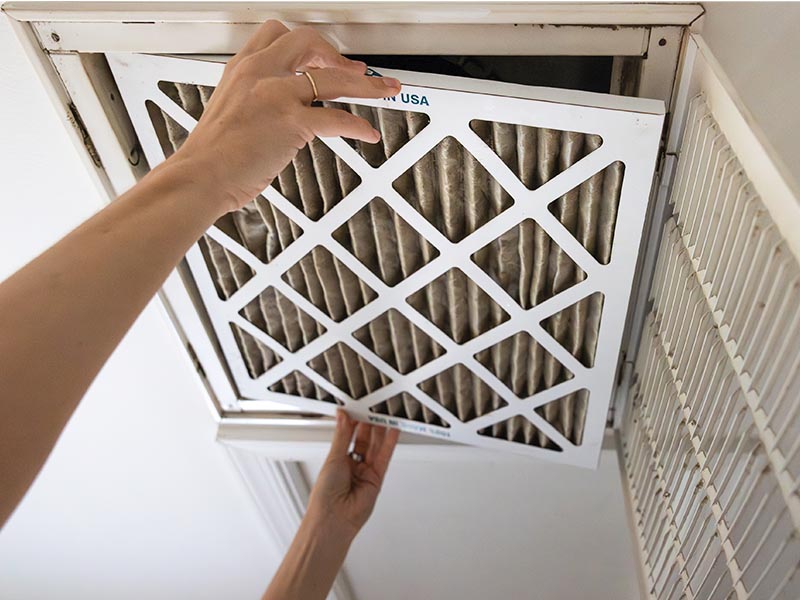
Dirty air filters restrict circulation, forcing your heating and cooling system to work harder to move air throughout your home. That’s why replacing your HVAC air filter regularly is one of the simplest and most effective ways to improve airflow and overall system performance.
Most homeowners should replace standard HVAC filters every one to three months, although some households may require more frequent changes. Factors that can shorten filter lifespan include:
- Multiple pets in the home
- Family members with allergies or asthma
- Smoking indoors
- Ongoing home renovations
- High outdoor pollen levels
Choosing the right filter is also important. While high-efficiency filters can improve indoor air quality, overly restrictive filters may reduce airflow if your HVAC system isn’t designed for them. Using the correct filter helps maintain a healthy balance between airflow performance and air filtration.
After replacing a clogged filter, you may notice stronger airflow from vents, more consistent indoor temperatures, cleaner indoor air, and improved HVAC efficiency. Professional HVAC maintenance can also help determine which filter type and replacement schedule work best for your home’s specific needs.
Keep Supply and Return Vents Open and Clean
Blocked air vents are another common cause of poor HVAC airflow. Many homeowners unintentionally restrict airflow by placing furniture, curtains, rugs, or storage items over vents and registers. Even partially blocked vents can interfere with proper air circulation.
Start by checking every supply and return vent throughout your home. Make sure they are clear of obstructions and clean. Return vents are especially important because they pull air back into the HVAC system to be heated or cooled again.
It’s also important to avoid closing vents in unused rooms. While this may seem like a way to save energy, closed vents can create airflow imbalances that force your system to work harder.
Maintaining open, clean, and unobstructed vents helps your HVAC system circulate air more efficiently, maintain consistent indoor temperatures, and improve overall home comfort.
Seal Leaky Ductwork and Improve Duct Efficiency
Even if your HVAC equipment is functioning properly, leaking or damaged ductwork can waste conditioned air before it reaches the rooms where it’s needed. This forces your HVAC system to run longer and consume more energy to maintain comfortable indoor temperatures.
Signs of ductwork problems often include weak airflow in certain rooms, inconsistent heating and cooling, excessive dust, noisy ducts, or rooms that never seem comfortable.
Common ductwork issues include:
- Air leaks around duct connections
- Poor duct insulation
- Crushed or disconnected flexible ducts
- Dust and debris buildup
- Improper duct sizing
Professional duct inspections can identify hidden airflow issues that you may not notice on your own. HVAC technicians use specialized tools to evaluate airflow performance, locate leaks, and determine whether repairs or sealing improvements are needed.
In some situations, duct cleaning may also help improve airflow if dust and debris buildup inside the duct system is excessive. However, airflow problems are often caused by leaks or design issues rather than dirt alone.
Improving ductwork efficiency allows your HVAC system to perform more effectively while reducing energy costs and unnecessary strain on system components.
Schedule Preventive HVAC Maintenance
Routine HVAC maintenance helps prevent airflow problems before they lead to higher energy bills or costly repairs. Over time, dirt buildup and worn components can reduce circulation efficiency and force your heating and cooling system to work harder.
During a professional maintenance visit, technicians inspect and clean key airflow-related components such as blower motors, evaporator coils, filters, and duct connections. Identifying small issues early can help improve efficiency, reduce strain on your HVAC system, and extend equipment lifespan.
Seasonal tune-ups are especially important before summer and winter when HVAC systems experience heavier demand. Our team at Exxel Mechanical Services provides professional HVAC maintenance services that can help you improve airflow, maintain comfort, and keep your system operating efficiently year-round.
Upgrade Older HVAC Equipment for Better Airflow
Sometimes airflow problems aren’t caused by maintenance issues alone. Older HVAC systems may simply struggle to deliver the airflow and efficiency your home needs. As equipment ages, important components begin losing performance, which can reduce circulation and increase energy consumption.
Modern HVAC systems are designed with advanced airflow technology that improves comfort and energy efficiency.
These newer HVAC systems often provide:
- More consistent airflow throughout your home
- Improved energy efficiency
- Better humidity control
- Quieter operation
- Reduced monthly utility costs
Proper system sizing is also essential for airflow performance. An undersized system may struggle to circulate enough air throughout your home, while an oversized unit may short-cycle and fail to distribute air evenly.
Choosing the right HVAC replacement involves evaluating your home’s size, layout, insulation levels, and comfort goals. Professional guidance can help ensure your new system delivers balanced airflow and reliable performance for years to come.
Improve Your HVAC Airflow With Professional HVAC Service
When airflow problems are caused by leaking ductwork, aging equipment, or hidden mechanical issues, professional HVAC service can help restore proper performance before larger repairs become necessary. Our experienced team at Exxel Mechanical Services provides expert heating and cooling work, energy analysis, and ductwork solutions tailored to your home’s specific needs.
If you’ve noticed weak airflow, rising energy bills, or uneven temperatures throughout your home, contact Exxel Mechanical Services today to schedule professional HVAC service.