

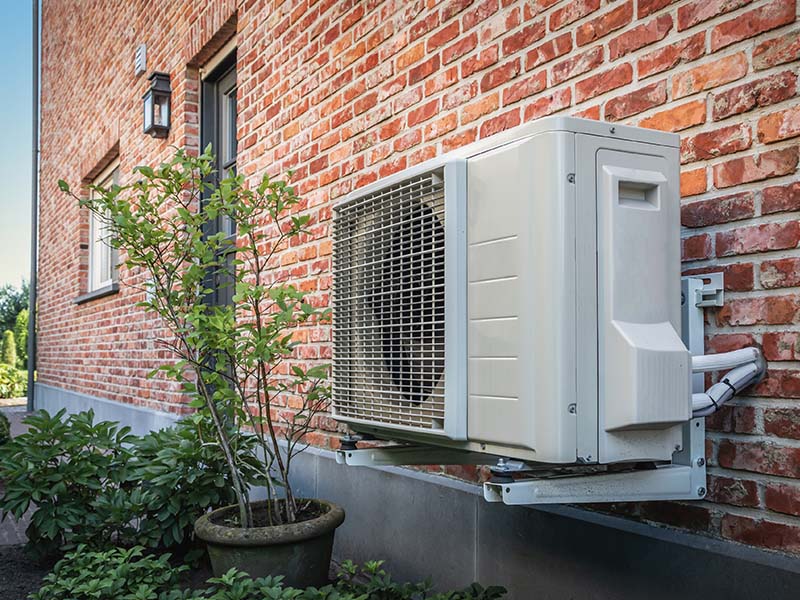
When your air conditioner reaches the end of its life, replacing it with another traditional AC system may seem like the easiest choice. Before you decide, though, it’s worth taking a closer look at heat pumps.
A heat pump cools your home much like a central air conditioner, but it can also provide heat when temperatures drop. Instead of buying a system that only helps during summer, you may be able to choose one that supports your comfort throughout the year.
Here’s what you should know before replacing your AC with a heat pump.
How Does a Heat Pump Work?
A heat pump moves heat from one place to another. During the summer, it pulls heat out of your home and releases it outside. From your perspective, the cooling process feels much like the way a traditional central air conditioner works.
During colder weather, the system works in reverse. It pulls heat from the outdoor air and moves it inside your home. Because a heat pump can both cool and heat, it may reduce your need for separate heating and cooling systems.
Heat pumps are available in different sizes, efficiency levels, and system designs. Some connect to ductwork, while others serve spaces without traditional ducts. The right choice depends on your home’s layout, current equipment, and comfort needs.
You don’t have to sort through those options alone. A professional energy analysis can help determine whether a heat pump is a practical replacement for your current AC.
Why Consider a Heat Pump When Replacing Your AC?
Replacing your air conditioner gives you a chance to think about more than summer cooling. While another central AC system may still be the right choice, a heat pump can offer benefits that a cooling-only system can’t.
You Can Heat and Cool With One System
The biggest benefit of a heat pump is that it can work throughout the year. It cools your home during hot Maryland summers and provides heat when the weather turns cooler.
This may be especially helpful if both your AC and heating equipment are getting older.
For example, your air conditioner may need to be replaced now, while your heating system may only have a few useful years left. Installing another AC solves your immediate problem, but it could leave you facing another major HVAC replacement soon.
A heat pump may allow you to address more of your home’s comfort needs through one installation. Whether it can handle all or only part of your heating needs depends on your home, the equipment selected, and the way the system is designed.
A Heat Pump May Lower Energy Use
Heat pumps move heat instead of creating it the way electric resistance systems do. Because of that, they can be more efficient than electric baseboard heaters, electric furnaces, and similar heating systems.
Your actual energy use will depend on several factors, including:
- The system you’re replacing
- The efficiency of the new equipment
- Your home’s insulation and air sealing
- Local electricity and fuel costs
- Your thermostat settings
Not every homeowner will see the same savings. A heat pump may offer a noticeable improvement in one home and a smaller difference in another.
At Exxel Mechanical Services, we look at your current heating and cooling setup before making a recommendation. That helps you compare your options based on your home rather than broad savings claims.
You May Get More Even Comfort
Many newer heat pumps can adjust how hard they work throughout the day. Instead of operating at full output every time, they may run at a lower level when your home only needs a small amount of heating or cooling.
This can help reduce sudden temperature changes and keep air moving more evenly throughout your home.
Longer, gentler cooling cycles may also help manage summer humidity. However, the system still has to be the right size. If it’s too large, it may cool your home too quickly and shut off before removing enough moisture from the air.
That’s one reason proper system selection matters as much as the equipment itself.
You May Avoid a Cooling-Only Replacement
When your AC fails, the fastest answer may seem to be installing another air conditioner. However, that choice only addresses one part of your home’s comfort system.
A heat pump gives you the chance to consider both cooling and heating at the same time. Even if your current heating equipment remains in place, the new system may give you more flexibility than a standard AC replacement.
The important question isn’t whether every homeowner should choose a heat pump. It’s whether a heat pump makes sense for your home, your current equipment, and your long-term plans.
Is Your Home a Good Fit for a Heat Pump?
Heat pumps can work well in many homes, but the right answer depends on your property and existing HVAC setup.
A heat pump may be worth considering if your air conditioner is old, unreliable, or expensive to repair. It may also make sense if your heating system could need replacement in the near future or if you want one system to support both heating and cooling.
Your home’s layout and construction also matter.
If your home already has central air, the existing ductwork may be usable. However, the ducts still need to be suitable for the new system.
Homes without traditional ductwork may also have heat pump options. In those cases, the installation approach will depend on the rooms being served and the way the home is arranged.
Replacing your AC with a heat pump isn’t always a simple equipment swap. The new system needs to work well with the rest of your home.
What Should Be Checked Before Installation?
Before recommending a heat pump, your contractor should consider how your home holds, loses, and moves air. This helps determine which equipment may fit your needs instead of relying only on the size of your old air conditioner.
Your Home’s Heating and Cooling Needs
The size of your current AC doesn’t always tell you what size heat pump you need.
Your home may have changed since the old system was installed. You may have replaced windows, added insulation, finished a basement, built an addition, or changed the floor plan. The original equipment may also have been the wrong size from the start.
To choose the right system, an HVAC professional may consider factors such as:
- The size and layout of your home
- Your windows, insulation, and air leaks
- The amount of sunlight your home receives
- Local weather conditions
A system that’s too large may turn on and off too often and struggle with humidity. A system that’s too small may run for long periods and still have trouble keeping your home comfortable.
Proper sizing helps the system run more steadily and perform the way it should.
Your Ductwork and Airflow
If your new heat pump will use central ductwork, the ducts need to move enough air throughout your home.
Leaky ducts, damaged sections, blocked returns, and overly restrictive filters can reduce comfort. You may also have rooms that stay hotter or colder than the rest of the house.
Problems like these may need to be addressed before or during installation. Exxel Mechanical Services can evaluate how your existing airflow and ductwork may affect the performance of a new system.
A heat pump can only work as well as the air distribution system connected to it. If the ductwork can’t deliver the right amount of air, even quality equipment may leave you with uneven temperatures.
Your Electrical Setup
Your home needs the proper electrical setup for the selected heat pump.
The exact requirements depend on the equipment and your existing system. In some cases, additional electrical work may need to be completed as part of the installation process.
Those needs should be identified before the project moves forward so you understand the full scope of the work.
Your Current Heating Equipment
Your current heating system also affects whether a heat pump is a good fit.
In some homes, the existing heating equipment may remain part of the overall comfort plan. In others, replacing more than one piece of equipment may make better sense.
Your contractor should review what you already have, how well it’s working, and how it may interact with a new heat pump. That allows you to compare your options without replacing equipment unnecessarily.
Which Heat Pump Is Right for Your Home?
Once you know a heat pump could work in your home, the next step is choosing equipment that fits your comfort needs and current HVAC setup.
Heat pumps come in different sizes, efficiency levels, and designs. The right choice depends on factors such as your home’s layout, existing ductwork, heating needs, and whether you plan to keep any of your current equipment.
You should also consider how you use your home. A family that keeps every room at the same temperature may have different needs from someone who mainly wants to condition a home addition, finished basement, or frequently used living area.
At Exxel Mechanical Services, we’ll review your home and explain the options available for your situation. We’ll help you compare systems based on comfort, performance, and long-term value.
What Happens During Heat Pump Installation?
A good heat pump installation begins before the old AC is removed. The contractor first needs to confirm the equipment, review any duct or electrical needs, and make sure the system will work with your home.
The installation may involve:
- Removing the old indoor and outdoor equipment
- Installing the new heat pump and thermostat
- Completing refrigerant and electrical connections
- Making duct or drainage changes when needed
- Testing both heating and cooling
After the equipment is installed, the system should be tested to make sure it’s operating correctly.
That includes checking airflow, drainage, thermostat settings, and refrigerant levels. These details matter because even good equipment won’t perform well if it isn’t installed and set up properly.
Before the job is complete, your installer should also explain the system’s controls and answer your operating questions. Heat pumps may work differently from the system you had before, so understanding the settings can help you get more consistent comfort.
Questions to Ask Before Approving an Estimate
The lowest price isn’t always the best value. Before choosing a heat pump installer, make sure you understand exactly what’s included.
Ask your contractor:
- What size heat pump are you recommending?
- Why is this system a good fit for my home?
- Will my ductwork and electrical setup support it?
- How will the system handle my heating needs?
- What testing, warranties, and maintenance are included?
You should receive clear, easy-to-understand answers. A contractor should be able to explain the recommendation without relying on confusing model numbers or technical terms.
A detailed estimate should also explain any duct, electrical, thermostat, or drainage work that may be needed. That makes it easier to compare proposals fairly.
Don’t Ignore Problems Outside the HVAC System
A new heat pump can improve your comfort, but it can’t solve every problem in your home.
For example, an upstairs bedroom may stay hot because of poor attic insulation, leaky ducts, weak return airflow, or too much direct sunlight. Replacing the AC without checking those issues could leave you with new equipment and the same uncomfortable room.
At Exxel Mechanical Services, we can look beyond the equipment itself. A heat pump energy analysis can help identify home-efficiency concerns that may affect comfort and system performance.
When appropriate, we may recommend addressing an airflow, duct, or insulation issue as part of the overall comfort plan. That doesn’t mean every home needs extra work. It simply means your new heat pump should be selected with your home’s overall condition in mind.
Choose a Heat Pump With Help From Exxel Mechanical Services
When your air conditioner needs replacement, you have an opportunity to do more than restore cool air. A heat pump may give you reliable cooling, useful heating, and year-round comfort from one system.
At Exxel Mechanical Services, we’ll evaluate your current equipment, home layout, airflow, energy needs, and comfort concerns before making a recommendation. We’ll explain the available options in plain language and help you choose a heat pump system that fits your home and comfort needs.
Contact Exxel Mechanical Services today to schedule an estimate for heat pump installation in Frederick and throughout Central Maryland.