

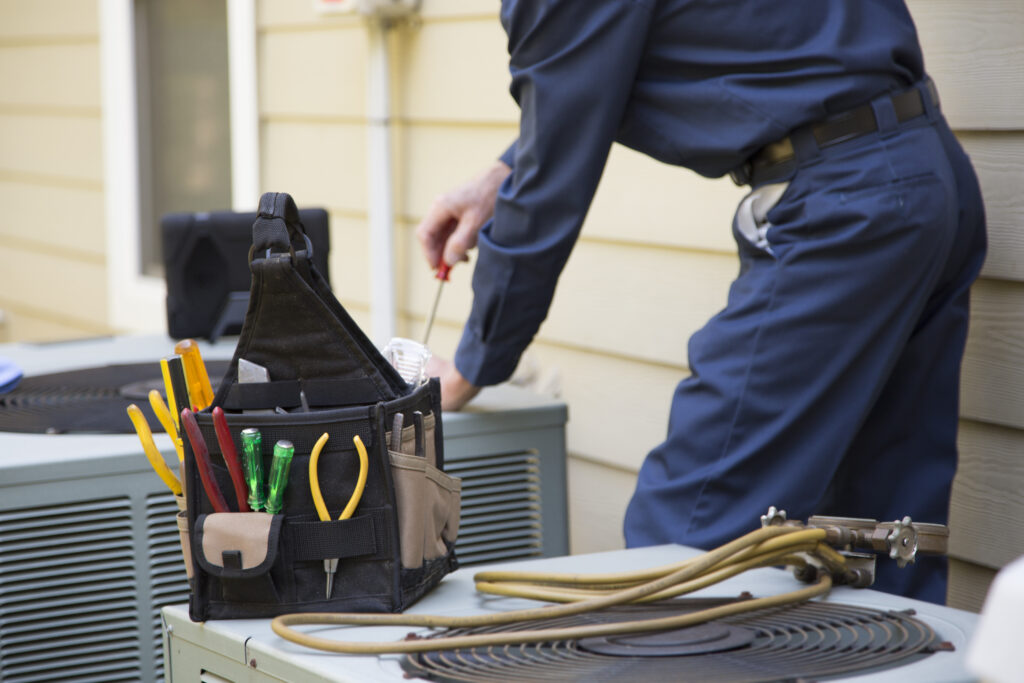
Replacing or installing a new HVAC system is a major step in creating a comfortable, energy-efficient home or business. However, for many property owners, the thought of HVAC installation can feel overwhelming. Questions about how long the process takes, what disruptions to expect, and how to prepare are extremely common. Exxel Mechanical Services understands that clarity is important in helping you to feel confident in taking this step. That’s why we guide you through the installation process so you know exactly what to expect.
In this article, we’ll break down each phase of an HVAC installation, from preparation and equipment removal to final testing and customer education. By the end, you’ll have a clear picture of how the process works and how partnering with the right contractor makes all the difference. Knowing what to expect helps reduce stress and allows you to prepare your home, so you’re ready when the work begins.
Preparing for Your HVAC Installation
The installation journey begins well before our team arrives with new equipment. Preparation starts with an in-home consultation and a detailed system evaluation. During this stage, a licensed HVAC technician will assess your home’s square footage, insulation, and ductwork, along with your current comfort challenges. This evaluation helps determine the best system size and type for your property, whether that’s a high-efficiency furnace, central air conditioner, or heat pump.
Sizing is particularly important, as a system that’s too small will struggle to keep up with demand, while an oversized system may short-cycle, leading to inefficiency and uneven temperatures. A professional consultation eliminates guesswork, ensuring the right system is chosen for long-term comfort and energy savings.
Once the right system is selected, preparation shifts to making sure your home is ready for the big day. Clearing pathways to the furnace or air handler, ensuring easy access to outdoor units, and moving delicate items out of work areas helps streamline the installation. In some cases, additional pre-installation work is needed, such as upgrading electrical capacity or removing old insulation. By preparing your home ahead of time, you can help ensure an easy installation process without last-minute surprises.
Removal of Old Equipment
When installation day arrives, the first step is safely removing your old HVAC system. This process requires professional skill, as technicians must disconnect electrical connections, gas lines, and refrigerant systems without causing damage or leaks. Federal guidelines require refrigerants to be recovered properly, ensuring compliance with environmental regulations.
Depending on the age and type of your system, removal can take several hours, especially if the equipment is located in tight spaces such as basements or attics. In older homes, units may be connected to outdated ductwork or wiring, which requires careful handling.
Once the old unit has been removed, technicians inspect the installation site to verify that it’s ready for the new system. This includes checking for structural stability and confirming that existing connections are in good condition. By completing this stage with precision, it lays the groundwork for a flawless installation that avoids complications later in the process.
Installing Your New HVAC System
With the old equipment out of the way, technicians begin installing the new system. This step involves placing the new unit and carefully connecting lines and electrical wiring. If new ductwork is required, modifications are made to ensure proper airflow throughout your home. Advanced systems, such as multi-zone HVAC setups or high-efficiency heat pumps, may require additional components, including smart thermostats and zoning controls.
Installation is a critical phase that requires attention to detail at every connection point. Refrigerant lines must be properly sealed, wiring must be secured, and duct joints need to be airtight. Small oversights can reduce efficiency and increase operating costs. That’s why following manufacturer specifications and industry best practices is essential.
Electrical and Ductwork Considerations
An HVAC installation often requires adjustments to more than just the heating and cooling equipment. Modern high-efficiency systems may place additional demand on a home’s electrical system, requiring new breakers or upgraded wiring. Without these adjustments, the system may not operate safely or at full capacity. Electrical updates ensure that your new system is running safely and efficiently.
Ductwork is another critical consideration. Leaks, blockages, or poor design can undermine the performance of even the most advanced HVAC unit. During installation, technicians inspect ductwork to identify issues and make necessary repairs or upgrades. Properly sealed and sized ducts help balance airflow, reducing hot and cold spots while lowering energy bills. In some cases, ductwork may need resizing to match the new system’s output.
System Testing and Quality Checks
Once the equipment is installed, it’s not simply turned on and left to run. Instead, technicians perform a series of thorough tests and quality checks. This stage includes verifying refrigerant levels, calibrating the thermostat, and measuring airflow to confirm that each room receives the right amount of heating or cooling. Without this step, even a perfectly installed system may not perform at peak efficiency.
Safety checks are performed on electrical and gas connections, ensuring compliance with building codes and industry standards. Technicians also run the system through a complete startup cycle to monitor performance and listen for any unusual sounds. This process provides reassurance that the system is not only operational but safe.
Customer Walkthrough and Education
After testing is complete, the next step is walking you through the operation and maintenance of your new system. Our technicians explain the functions of your thermostat, demonstrate how to change air filters, and review maintenance tips to keep your system running.
You will also be provided with information on warranty coverage, and you should take this time to ask any questions you have about system performance. It’s the perfect time to learn about energy-saving settings, how to work thermostat programming, and what warning signs to look out for in case of a problem. This education will give you the confidence to operate your system correctly.
After-Installation Support and Maintenance
Even after installation day, ongoing support is crucial to protecting your investment. Regular maintenance ensures your HVAC system continues to perform at its best, reducing the risk of breakdowns and extending equipment lifespan. Exxel Mechanical Services offers maintenance plans that include seasonal tune-ups and comprehensive inspections.
These services not only improve efficiency but also provide peace of mind, knowing that your system is being monitored by professionals. Addressing small issues early prevents costly repairs and helps avoid inconvenient breakdowns during extreme weather.
Our commitment to after-installation care is part of what sets us apart as a trusted HVAC partner. We are always available to answer questions and provide service when needed.
Trust Exxel Mechanical Services for Reliable HVAC Installation
Installing a new HVAC system may feel daunting, but with the support of experienced professionals, the process can be straightforward. From initial consultation and old system removal to precise installation, performance testing, and customer education, each step ensures your system delivers the comfort and efficiency you expect.
Exxel Mechanical Services takes pride in delivering expert HVAC installation backed by ongoing maintenance and customer support. Our team is committed to making the process as seamless as possible. We work to minimize disruption to your daily routine while maximizing the long-term benefits of your HVAC system.
If you are ready to upgrade your home’s heating and cooling system, contact us today to schedule a consultation.