

Many people assume that indoor air pollution primarily comes from outdoor sources, but studies consistently show that indoor environments often contain higher concentrations of harmful pollutants. Dust, allergens, mold spores, chemical vapors, and excess humidity can accumulate quickly when airflow and filtration are inadequate. Over time, these issues may contribute to persistent health symptoms, unpleasant odors, and comfort problems that are difficult to identify.
Your HVAC system is one of the most influential factors in determining indoor air quality. Beyond heating and cooling, it manages airflow, filters contaminants, regulates humidity, and supports proper ventilation throughout the building. When properly designed and maintained, an HVAC system actively improves air quality rather than circulating pollutants.
Exxel Mechanical Services understands the direct connection between HVAC performance and indoor air quality. Through professional system design, maintenance, and optimization, we help homeowners improve their indoor living environment.
What Indoor Air Quality Really Means
Indoor air quality refers to the condition of the air inside enclosed spaces and how it affects the health and comfort of the people who are present. Good IAQ is marked by clean air, proper circulation, balanced humidity, and minimal exposure to airborne contaminants. Poor IAQ occurs when pollutants accumulate faster than they are removed, leading to unhealthy indoor conditions.
The effects of poor indoor air quality often develop gradually. Symptoms such as fatigue, headaches, congestion, or dry eyes may not immediately be linked to air quality. Over time, however, prolonged exposure can worsen asthma, allergies, and other respiratory issues. In work environments, poor IAQ can reduce focus, increase sick days, and negatively impact productivity.
Several factors influence indoor air quality, including building design, how the space is used, outdoor air conditions, and HVAC system efficiency. Modern energy-efficient construction limits natural air exchange, making mechanical ventilation more critical than ever. Without adequate ventilation and filtration, pollutants remain trapped indoors.
Viewing IAQ as a manageable part of building performance allows property owners to take proactive steps. Instead of reacting to comfort complaints or health concerns, improving indoor air quality starts with addressing airflow, filtration, and HVAC system upkeep.
Common Indoor Air Pollutants You May Be Breathing Every Day
Indoor air pollutants come from many everyday sources, often without people realizing it. Once released, these contaminants circulate through indoor spaces and HVAC systems, affecting air quality and comfort.
Common Sources of Indoor Air Pollution include:
- Dust and fine particles from furniture, carpets, and flooring
- Pet dander and pollen brought in from outdoors
- Volatile organic compounds (VOCs) released by cleaning products, paints, and furnishings
- Mold spores caused by excess indoor moisture
- Combustion pollutants from fuel-burning appliances
Chemical pollutants such as VOCs are especially problematic because they can accumulate quickly in enclosed spaces. Long-term exposure may cause headaches, irritation, or more serious health effects. Biological contaminants, including mold and bacteria, thrive in damp or poorly ventilated areas and can spread rapidly through ductwork.
Carbon monoxide presents an additional risk. Faulty heating equipment or blocked ventilation pathways can allow this colorless, odorless gas to enter indoor spaces unnoticed. These risks highlight why a properly functioning HVAC system is essential for managing indoor air quality.
How Your HVAC System Shapes Indoor Air Quality
Your HVAC system is the primary mechanism that moves air throughout your home. Each heating or cooling cycle pulls air into the system, conditions it, and redistributes it. Because of this constant circulation, HVAC performance has a direct impact on indoor air quality.
Air Filtration and Particle Removal
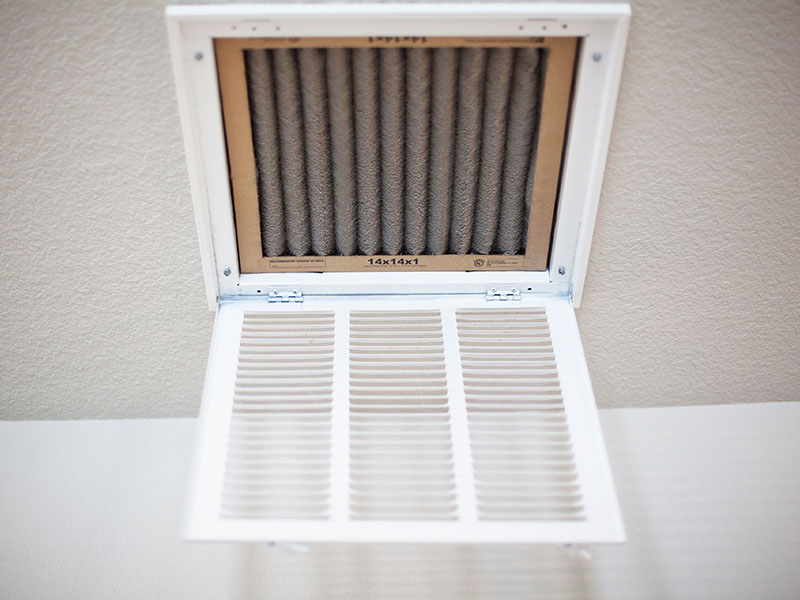
Air filters trap airborne particles before they are redistributed. Filter effectiveness depends on the type used, proper installation, and consistent replacement. Without adequate filtration, contaminants continue circulating.
Ventilation and Fresh Air Exchange
Ventilation introduces fresh outdoor air while removing stale indoor air. This exchange helps dilute pollutants, reduce odors, and maintain healthy oxygen levels. Inadequate ventilation allows contaminants to build up even when temperatures feel comfortable.
Humidity Control and Moisture Balance
HVAC systems regulate moisture levels to prevent overly dry or excessively humid air. Excess humidity encourages mold growth, while dry air can irritate skin and respiratory passages. Balanced humidity improves comfort and supports cleaner air.
When HVAC systems are improperly sized, outdated, or poorly maintained, these functions suffer, and air quality problems often persist despite adequate heating and cooling.
The Role of Filtration in Cleaner Indoor Air
Let’s dive further into HVAC filtration. Filtration is one of the most important elements of indoor air quality management. HVAC filters are designed to capture airborne particles and prevent them from re-entering living or working spaces.
Standard filters remove larger debris such as dust and lint, while higher-efficiency filters capture finer particles like pollen, mold spores, and bacteria. Selecting the right filter requires balancing filtration performance with proper airflow to avoid system strain.
Consistent filter replacement is critical. Dirty or clogged filters restrict airflow, reduce system efficiency, and allow pollutants to bypass filtration. This degrades air quality and increases wear on HVAC components.
Advanced filtration options, including media filters and electronic air cleaners, offer additional protection for people with allergies or respiratory sensitivities. When properly integrated, these solutions significantly improve indoor air quality without compromising HVAC performance.
HVAC Maintenance and System Improvements That Enhance IAQ
Routine HVAC maintenance is essential for protecting indoor air quality. That’s why it’s important to know what maintenance tasks should be completed regularly.
HVAC maintenance that improves indoor air quality:
- Replacing air filters on a consistent schedule
- Cleaning and sealing ductwork to prevent contamination
- Inspecting coils, blowers, and drain lines
- Upgrading to higher-efficiency filtration systems
- Calibrating humidity control components
Ductwork maintenance is particularly important. Leaky or dirty ducts can introduce pollutants into the airflow and reduce system efficiency. Sealing ducts improves air quality while lowering energy loss.
Benefits of Better Indoor Air Quality
Improving indoor air quality delivers meaningful advantages that go far beyond simply having cleaner air. When IAQ is properly managed, it positively affects health, comfort, and the overall performance of HVAC systems. These combined benefits make air quality improvements an important consideration for Maryland homeowners.
Health Benefits of Improved IAQ
Cleaner indoor air reduces exposure to common allergens, airborne pollutants, and harmful pathogens. As a result, people inside the space may experience fewer respiratory symptoms, reduced allergy flare-ups, and improved overall well-being. Better air quality can also support improved sleep, concentration, and long-term respiratory health, especially for individuals with existing sensitivities.
Comfort Improvements for Homes
Proper IAQ helps eliminate hot and cold spots, reduces excess dryness or moisture, and prevents spaces from feeling stale or stuffy. The result is a more stable, comfortable indoor environment that feels better throughout every season.
Energy Efficiency and System Performance
Indoor air quality improvements often lead to better HVAC efficiency. Clean filters, sealed ductwork, and properly maintained components allow systems to move air more effectively without unnecessary strain. This improved performance reduces energy consumption, lowers utility costs, and helps extend the lifespan of HVAC equipment.
How Exxel Mechanical Services Can Help You Improve Your Indoor Air Quality
Indoor air quality is ultimately shaped by the choices you make about your HVAC system and who you trust to service it. When you work with an experienced contractor that understands how system performance, air quality, and long-term reliability intersect, you gain confidence that your space is being supported the right way.
At Exxel Mechanical Services, we focus on delivering HVAC solutions that are built for consistency, precision, and long-term performance. We take the time to understand your system, identify underlying issues, and recommend solutions that align with your needs. Our goal is to help you make informed decisions that protect your comfort and your investment.
If you’re ready to partner with an HVAC company that prioritizes quality workmanship and dependable results, contact us today to discuss available IAQ solutions.